

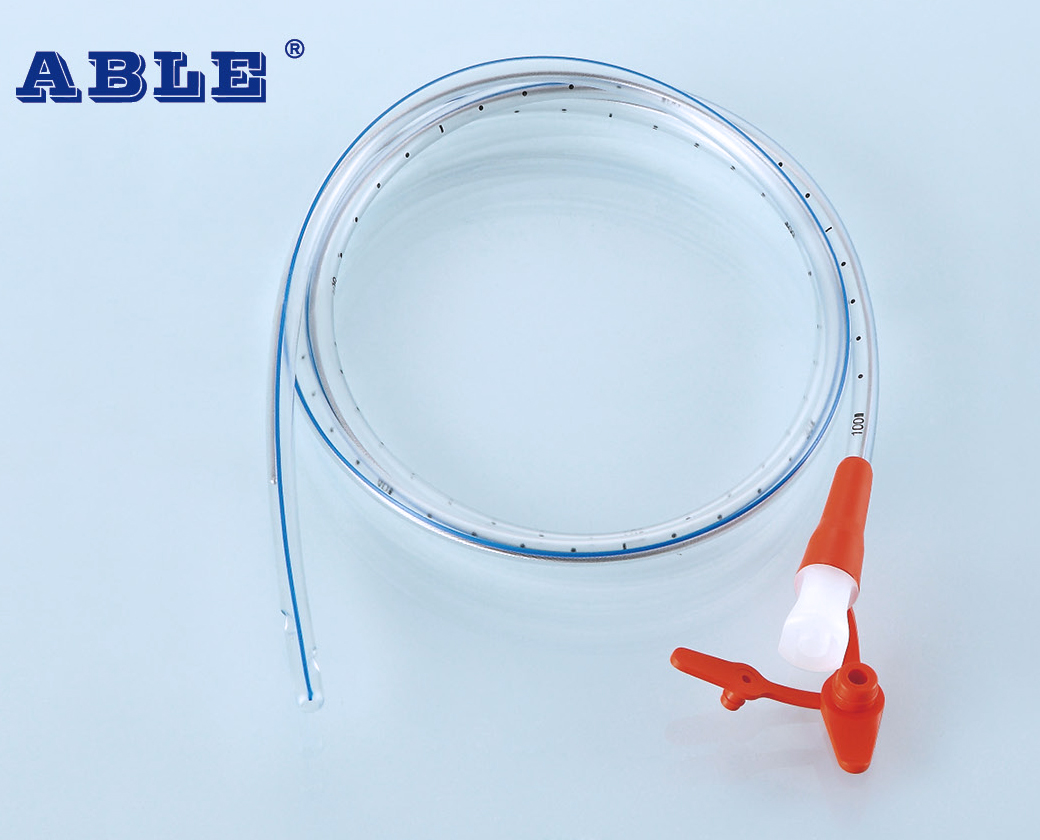
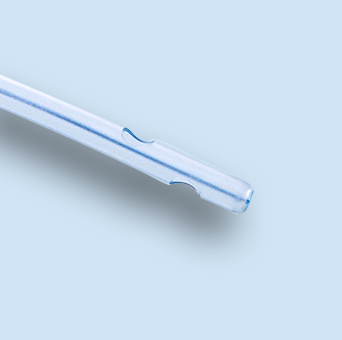
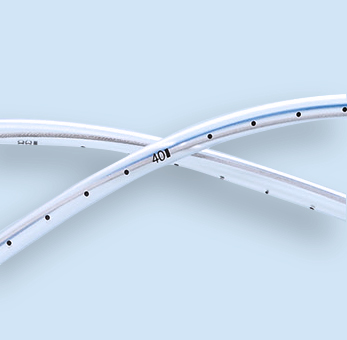
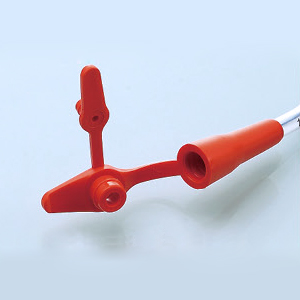
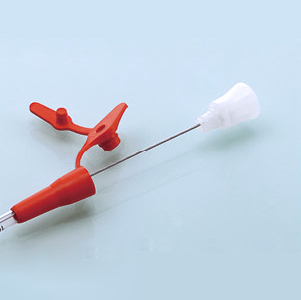
Disposable Nasal Feeding Tube is composed of a long tube and guidewire, the long tube comprises the connecting part and tubing with lateral eyes and the guidewire comprises connector and guidewire.
Intended Use and Indication
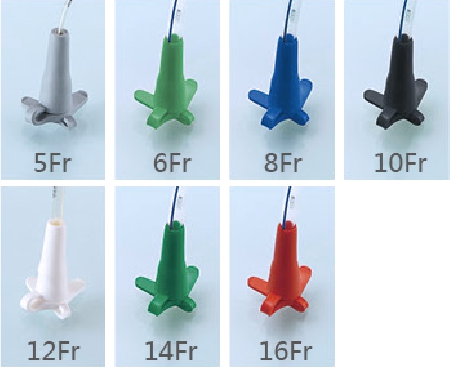
Order Information
Contraindications
Warning and Precautions
The Disposable Nasal Feeding Tube is intended used for single-use delivery enteral nutrition liquid and administration to the stomach for patients by nasal feeding.
Indications:
Dysphagia and malnutrition.

The product should not be used if the patient:
1. Paralytic ileus.
2. Mechanical intestinal obstruction.
3. Obstruction, stricture, perforation, or active bleeding of the esophagus or stomach.
4. Acute peritonitis or gastrointestinal perforation.
5. Known or suspected basilar skull fracture or severe facial trauma.
1) It is prohibited to connect this tube to intravenous (IV) lines, Luer lock connectors, or devices used for other clinical purposes (e.g., respiratory or urinary), as such misconnections can cause serious patient harm.
2) This product is for one-time use only, it is strictly prohibited to reuse, destroy after use, And dispose of waste products according to the requirements of hospitals or environmental protection departments.
3) 25 to 50ml normal saline or sterile injection water should be used for washing the tube every 8 hours.
4) Be sure to wash the tube (at least 25ml normal saline or sterile injection water) before feeding.
5) To avoid residual liquid returning to trachea. Make sure to wash the tube with normal saline or sterile injection water in advance before extraction. Close the connector or clamp the tube, then extract the tube carefully.
6) This Nasal Feeding Tubes should be used less than 30 days.
7) When connecting a bag/bottle of enteral nutritious product every time, or doubting whether the tube is placed at the correct location or not, nursing staff shall use the PH test paper to check the location of the nasal feeding tube, at least 3 times per day. If necessary, nursing staff shall determine whether the tube is placed at the correct location or not by X-ray.
8) Every time before or after feeding or infusing medicine, nursing staff shall wash with at least 25ml physiological saline or sterilized water, and wash at least one time every 8 hours so as to prevent the tube from jamming.
9) Nursing of Nose: Change the adhesive tape everyday which is stuck on the nasal cavity. Clean the skin of nose, if necessary, use the reagent which can remove the adhesive tape. If the skin under the adhesive tape is broken, nursing staff shall extract the nasal feeding tube and place a new tube through the other nasal cavity again.
10) Nursing of Oral Cavity: Even if the patient cannot eat, it is important that nursing staff nurse his oral cavity, lip and teeth. Ask the patient to brush his teeth one time everyday. If the patient is in coma, then wash his oral cavity several times per day.
11) Do not insert the steel guidewire into the tube again which has been placed in the body so as to prevent the steel guidewire from piercing through the tube and making the nutritious liquid leak.
12) Storage is suggested to inspect quarterly. Don’t use the damaged products of any kind.
13) Any re-sterilization or reuse of the product can result in hazard to the patient.
14) This product should be operated and used by qualified medical personnel.
15) This device is made of biocompatible polyurethane (PU) material. To ensure accurate dosage administration, it is recommended to thoroughly rinse the tubing before and after administration. For special drugs that are easily adsorbed (such as highly lipid-soluble medication), it is recommended to follow clinical pharmacy guidance.